
As summer temperatures rise, commercial roofing systems face increased stress from UV exposure, thermal expansion, severe weather, and standing water. For facility managers and building owners, spring is the ideal time to address roofing vulnerabilities before they lead to expensive roof repair or premature roof replacement.
A proactive maintenance strategy can help extend roof life, reduce operational disruptions, improve energy efficiency, and support long-term capital planning.
Why Summer Heat Impacts Commercial Roofing
Commercial roofs experience constant exposure to the elements, but summer conditions can accelerate wear and tear quickly.
Common seasonal roofing risks include:
- UV damage and membrane deterioration
- Expansion and contraction from temperature swings
- Ponding water from clogged drainage systems
- Storm damage from heavy rain, wind, or hail
Even small roofing issues can worsen rapidly during prolonged heat and severe weather events, increasing the risk of leaks and interior damage.
For commercial facilities managing aging roofing systems, preventative maintenance becomes especially important heading into peak summer conditions.
Key Areas Facility Managers Should Inspect
Spring roofing inspections can help identify issues early before they become larger operational problems. Some key areas facility managers should consider include:
Roof Membranes and Flashing
Inspect for:
- Cracks or punctures
- Open seams
- Loose flashing
- Surface blistering
Roof penetrations around HVAC units, vents, skylights, and rooftop equipment are common sources of water intrusion.
Drainage Systems
Poor drainage can accelerate roof deterioration and increase structural stress.
Facility teams should:
- Clear drains and gutters
- Remove debris buildup
- Inspect downspouts and scuppers
- Address standing water immediately
Rooftop Equipment Areas
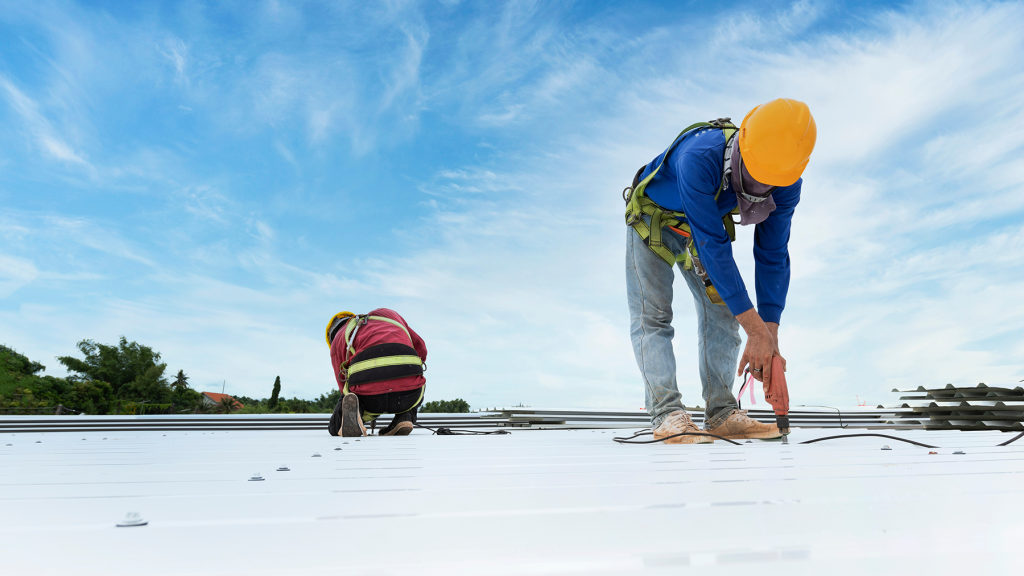
Heavy rooftop traffic during HVAC servicing or contractor activity can damage roofing systems over time.
Inspect walk pads, mounting systems, and access pathways regularly to reduce unnecessary wear.
Preventative Maintenance Reduces Long-Term Costs
Deferred maintenance often leads to more expensive emergency roof repair situations and shorter roof lifespans.
Preventative commercial roofing maintenance can help organizations:
- Reduce emergency repair costs
- Extend roof lifespan
- Improve energy efficiency
- Support capital forecasting
- Minimize operational disruptions
Well-maintained roofing systems also reduce HVAC strain during summer by improving thermal performance and insulation effectiveness.
For many organizations, roofing maintenance is becoming part of broader sustainability and ESG initiatives focused on improving building performance and reducing energy usage.
Technology Is Changing Roofing Management
Commercial roofing management is becoming more data driven as facilities teams adopt smarter inspection and monitoring tools.
Drone Roof Inspections
Drone technology allows roofing professionals to safely assess large commercial roofs while identifying:
- Moisture intrusion
- Storm damage
- Membrane deterioration
- Drainage issues
Predictive Maintenance Tools
Some facilities are implementing smart sensors and monitoring systems that track:
- Moisture levels
- Roof temperatures
- Leak detection
- Drainage performance
These technologies help reduce reactive maintenance and improve long-term roofing asset management.
What Facility Managers Should Review Before Summer
Commercial Roofing Checklist
✔ Schedule a professional roofing inspection
✔ Inspect membranes, seams, and flashing
✔ Clear drains and rooftop debris
✔ Review storm preparedness procedures
✔ Evaluate rooftop traffic areas
✔ Document existing roof conditions
✔ Identify aging roofing assets for future capital planning
✔ Assess opportunities for energy-efficient roofing upgrades
Conclusion
Summer heat and severe weather can significantly impact commercial roofing performance if small issues go unaddressed. By implementing preventative maintenance strategies early, facility managers can reduce risk, avoid costly roof repair situations, and extend the lifespan of commercial roofing systems.
A proactive roofing strategy also supports operational continuity, energy efficiency, and smarter long-term budgeting for commercial properties.
RoofConnect helps facility teams nationwide improve roofing performance through inspections, maintenance planning, roof repair, and long-term commercial roofing solutions designed to support operational resilience. Connect with us today to stay on top of your facility’s excellence!
Contact RoofConnect today to start the conversation.
📞 1-877-942-5613
📧 [email protected]
