

Your Roof Is Taking the Worst of This Heat — Here’s What it is Costing You
It is mid-July, and if you manage a commercial building, your roof surface may be hitting 150°F or more on a sunny afternoon, 50 to 90 degrees hotter than the air temperature. Then a pop-up thunderstorm rolls through, drops the surface temperature 60 degrees in minutes, and the cycle repeats. Day after day.
That cycle is called thermal shock, and it is one of the most destructive forces a commercial roof faces. While winter gets the blame for most roofing problems, summer is quietly doing more cumulative damage to your membrane, flashings, and seams than any other season. The catch: most of that damage stays invisible until the first major storm finds it for you.
What Summer Actually Does to a Commercial Roof
UV Degradation: Ultraviolet radiation breaks down the chemical bonds in roofing membranes. On single-ply systems like TPO and EPDM, prolonged UV exposure causes the material to lose plasticizers, becoming brittle and prone to cracking. On modified bitumen and built-up roofs, UV dries out the asphalt, causing surface crazing and granule loss. Every summer of deferred maintenance shortens the membrane’s usable life.
Thermal Expansion and Contraction: Roofing materials expand in heat and contract as they cool. Different materials expand at different rates, which means the stress concentrates exactly where you do not want it: at seams, flashings, penetrations, and the joints around rooftop units. Fasteners back out. Seams peel. Pitch pans crack.
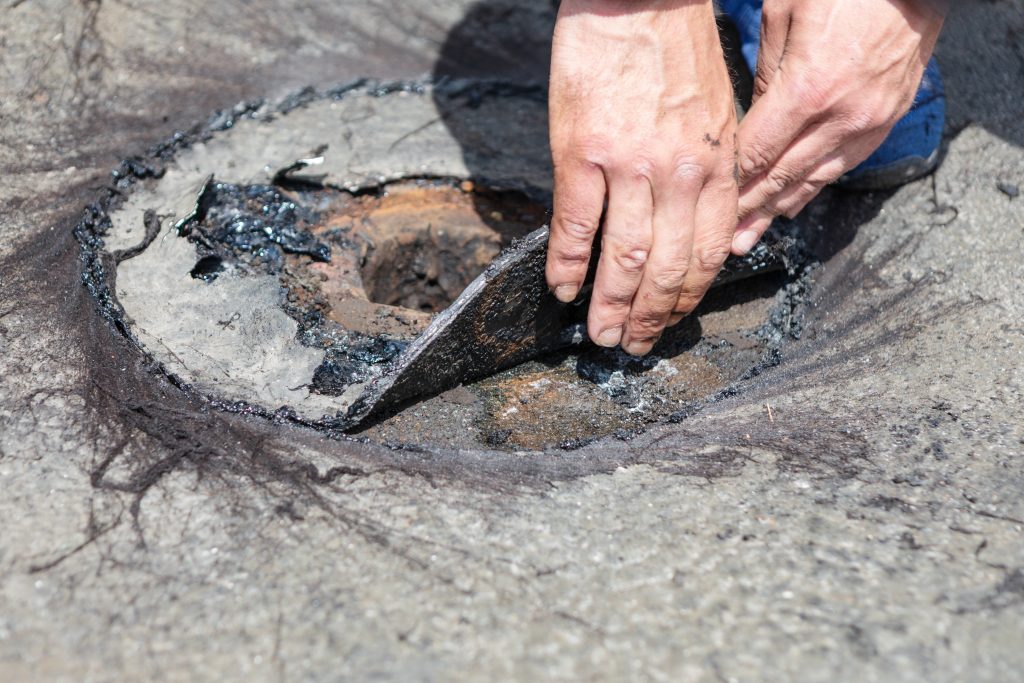
Blistering: When moisture is trapped within the roof assembly, often from a small leak that went unnoticed over winter, summer heat vaporizes it. The expanding vapor pushes the membrane up into blisters. Left alone, blisters grow, the membrane thins over the raised area, and eventually it splits.
Rooftop Equipment Stress: Your HVAC units are running at maximum output right now, which means more vibration, more condensate, and more foot traffic from service techs. Every service call is a chance for a dropped screw or an unprotected walking path to puncture a heat-softened membrane.
Five Things You Can Do This Season
- Get eyes on the roof now, not after storm season. A mid-summer inspection catches blistering, seam separation, and flashing failures while repairs are still small. If your region faces hurricane/severe storm season in late summer, this is your window.
- Document the current condition. Photos and a written condition report protect you twice: they establish a baseline for insurance claims after a storm, and they support warranty claims if a manufacturer defect emerges. Aerial drone documentation makes this fast and thorough.
- Check drainage before the storms arrive. Clogged drains and scuppers turn a manageable downpour into ponding water, and ponding water on a heat-stressed membrane is how small defects become interior leaks. Clear debris now.
- Protect service paths around rooftop equipment. If HVAC techs are on your roof weekly this summer, install walkway pads along their routes. It’s one of the cheapest forms of roof protection available.
- Review your warranty requirements. Most manufacturer warranties require documented periodic inspections and prompt repairs. Skipping a summer inspection can quietly void coverage on a roof you paid hundreds of thousands to install.
The Math on Waiting
Industry data consistently shows that proactively maintained roofs last significantly longer than reactively managed ones, often 20 to 25 years versus 13 to 15. On a 100,000-square-foot roof, that difference can represent hundreds of thousands of dollars in deferred capital expense. Meanwhile, a leak that costs a few hundred dollars to patch in July can become saturated insulation, damaged inventory, and mold remediation by October. Water damage follows a multiplier, not a straight line.
When to Bring in a Professional
Walking your own roof tells you something, but it won’t tell you what’s happening under the membrane. A professional roof assessment, now more thorough with drone-mounted thermal imaging, can locate trapped moisture, map deteriorated areas, and distinguish between a roof that needs targeted repairs, a roof that’s a candidate for a restorative liquid-applied coating, and a roof that’s near the end of its life. That distinction is the difference between a five-figure line item and a seven-figure one, and you want to make it on your schedule rather than a storm’s.
Schedule Your Summer Roof Assessment
The best time to find a roof problem is before the sky does. Contact the RoofConnect team today to schedule a commercial roof inspection and get a clear, prioritized picture of your roof’s condition before storm season peaks.
📲 Ready to Get Started? Contact our team today!
Contact RoofConnect today to start the conversation.
📞 1-877-942-5613
📧 [email protected]
