
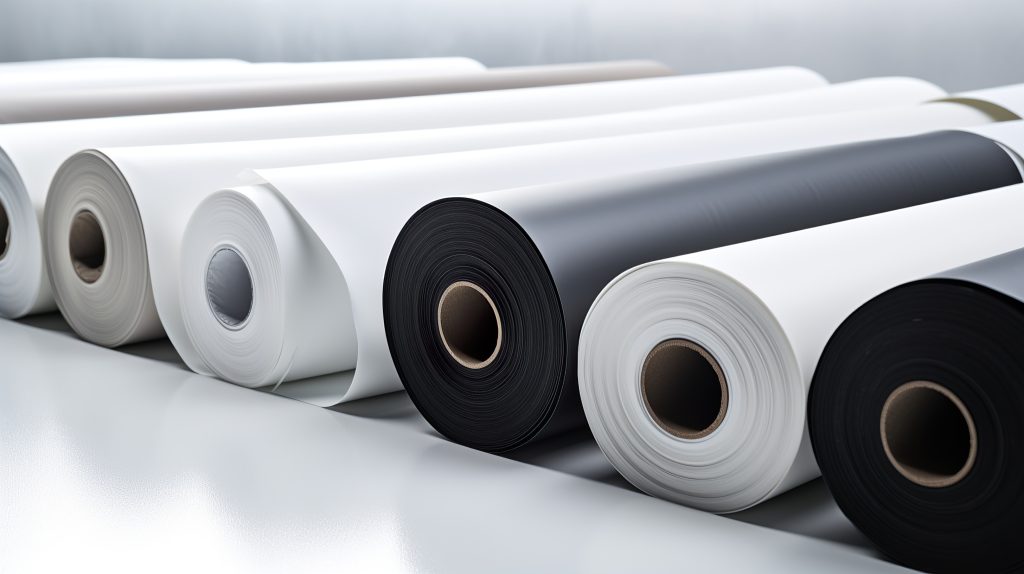
When it comes to commercial flat roofing, choosing the right system is one of the most important long-term decisions you’ll make for your facility. The three most common single-ply options—TPO, PVC, and EPDM—each have advantages, trade-offs, and ideal use cases.
The “best” roof isn’t universal. It depends on your building type, climate, budget, roof usage, and long-term plans. Below, we break down the differences to help you make an informed decision.
Understanding the Big Three Flat Roof Systems
1. TPO Roofing (Thermoplastic Polyolefin)
Best for: Cost-conscious facilities, large roof areas, energy efficiency TPO is one of the most widely installed commercial roofing systems today. It’s a white, reflective membrane designed to improve energy efficiency while offering solid durability.
Key benefits:
- Highly reflective surface helps reduce cooling costs
- Heat-welded seams create strong, watertight connections
- Lower material cost compared to PVC
- Widely available and compatible with many insulation systems
Things to consider:
- Quality can vary by manufacturer
- Less chemical resistance than PVC
- Performance depends heavily on proper installation
Typical facilities: Warehouses, distribution centers, manufacturing plants, retail buildings, schools
2. PVC Roofing (Polyvinyl Chloride)
Best for: Roofs exposed to chemicals, grease, or harsh conditions PVC is a premium single-ply option known for its durability and resistance to chemical exposure. It’s often chosen for facilities where roof conditions are more demanding.
Key benefits:
- Excellent resistance to chemicals, oils, and grease
- Heat-welded seams similar to TPO, with long-term strength
- Strong track record of longevity
- Highly reflective and energy efficient
Things to consider:
- Higher upfront cost than TPO or EPDM
- More rigid material can require experienced installers
Typical facilities: Restaurants, food processing plants, airports, hospitals, industrial buildings
3. EPDM Roofing (Ethylene Propylene Diene Monomer)
Best for: Budget-driven projects, colder climates, simple roof designs EPDM is a rubber membrane that has been used on commercial roofs for decades. It’s known for flexibility, reliability, and ease of repair.
Key benefits:
- Excellent performance in cold and freeze-thaw climates
- Flexible material accommodates building movement
- Long lifespan when properly maintained
- Lower material cost
Things to consider:
- Typically black, which absorbs heat (white EPDM is available)
- Seams are adhered or taped rather than heat-welded
- Less energy-efficient unless paired with proper insulation
Typical facilities: Office buildings, schools, older structures, facilities in colder regions
Quick Comparison: TPO vs. PVC vs. EPDM
Feature | TPO | PVC | EPDM |
|---|---|---|---|
Seam Type | Heat-welded | Heat-welded | Adhesive / taped |
Energy Efficiency | High | High | Moderate |
Chemical Resistance | Moderate | Excellent | Low |
Cold Weather Performance | Good | Good | Excellent |
Cost | $$ | $$$ | $ |
Lifespan (with maintenance) | 20–25 years | 25–30+ years | 25–30+ years |
So… Which Roofing System Is Best for Your Facility?
The right answer depends on several factors:
- What’s happening on your roof? (HVAC units, grease exhaust, foot traffic)
- Your climate (extreme heat, freeze/thaw cycles, snow loads)
- Your budget strategy (lowest upfront cost vs. long-term value)
- Your maintenance plan (reactive vs. proactive)
For example:
- A large warehouse looking to reduce energy costs may benefit most from TPO.
- A facility with grease exhaust or chemical exposure may need PVC.
- A building in a colder climate with a tight budget may be well-suited for EPDM.
Why Installation and Maintenance Matter Just as Much as Material
No matter which system you choose, proper installation and ongoing maintenance are critical. Even the best roofing material can fail early if seams, flashing, drainage, or penetrations aren’t handled correctly.
That’s why RoofConnect focuses not just on installation, but on:
- Roof inspections
- Preventive maintenance
- Asset management planning
- Emergency response when issues arise
Need Help Deciding? RoofConnect Can Help!
Every facility is different. RoofConnect works with commercial properties nationwide to evaluate roof conditions, compare system options, and recommend solutions that align with your building’s needs and long-term goals.
If you’re considering a new roof or just want to better understand what you already have, our team is here to help you make the right call.
Contact RoofConnect today to start the conversation.
📞 1-877-942-5613
📧 information@roofconnect.com
